BASF Professional & Specialty Solutions

Flies                                        

A combination of environmental, procedural, mechanical, and chemical tactics will provide effective and long-term relief from adult flies. 

Damages caused / challenges                 

  • Expanding populations of flies can spread from their breeding grounds into other locations, such as homes and restaurants
  • In food establishments, the presence of adult flies may be equated with poor sanitary conditions
  • Breeding sites and access points can be easy to overlook
  • Flies can serve as mechanical vectors to many pathogens
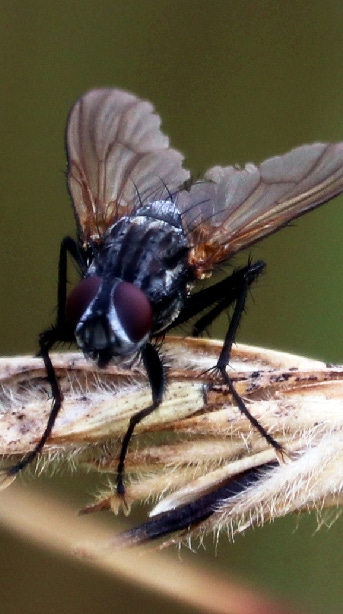
House fly of the subfamily Muscinae; Shutterstock ID 1376067098; purchase_order: 1086744798; job: Valeria; client: BASF Espana; other: 20663677

Profile 


House Fly 

[Musca domestica]

Stable Fly

[Stomoxys calcitrans]

Environment Typically, sources of decay and waste, animal housing Typically, sources of decay and waste, animal housing 
Diversity Other common fly species include the fruit fly, bluebottle fly, autumn fly Other common fly species include the fruit fly, bluebottle fly, autumn fly


Reproduction

Females can lay up to 500 eggs in their lifetime and the life cycle of flies can be complete in 7-10 days
Breeding increases in warm weather
Females can lay up to 800 eggs in their lifetime and the life cycle of flies can be complete in 7-10 days
Breeding increases in warm weather
Diet Moist, decaying organic matter Moist, decaying organic matter and manure, adult flies are blood-feeding 
Predators Larger insects, spiders, birds, reptiles etc. Larger insects, spiders, birds, reptiles etc.

How to conrol

Fly management

Effective and integrated fly control requires pest control managers to undertake four key tasks:

1. Identify the fly species to be targetted

2. Prevent flies from accessing indoor premises and facilities

3. Locate, remove or treat breeding media

4. Use insecticides (larvicides and adulticides) 

Pinpointing the problem

Detailed knowledge of the different species’ diet ensures that the correct solutions and procedures will be applied. For instance, animal waste and rubbish will attract stable flies flies to lay their eggs and allow the larvae to develope, whereas adults bluebottle flies can infest a meat processing facility are blood-feeding and therefore not only a strong nuisance for livestock but also a potential vector of many diseases. 

Blocking access

Screening doors, installing curtains, sealing cracks and crevices in walls are some of the measures that can be taken to physically prevent flies from entering indoor facilities and premises. Deprived of breeding media, the flies cannot reproduce.

Breeding media

Breeding media (mainly manure) is found in many places of livestock farming. Once located, the areas affected need to be treated. Expert advice on how to thoroughly clean the premises is crucial in the success of the programme. 

Insecticides

Related Products

Information: Use biocide products carefully. Always read the label and product information before use.