BASF Professional & Specialty Solutions
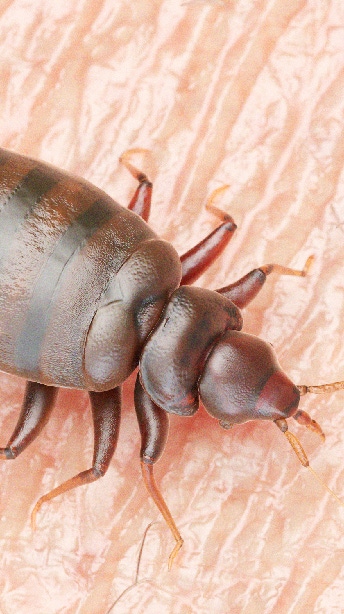
Bed Bugs
[Cimex lectularius]

Hard to find, persistent and increasingly pervasive, bed bugs require considerable professional expertise, client cooperation and effective solutions to eliminate.
Damages caused / challenges
- Currently, there is a major resurgence in bed bug problems, largely due to densely populated cities, extensive use of transport and increasing restrictions on residual insecticides.
- Bedbugs typically infest bedrooms but they also travel over great distances on clothing, luggage and furniture, in a wide range of premises including offices, schools, shops, cinemas and public transport.
- Bed bugs are notoriously difficult pests to control, especially as strains that show resistance to pyrethroid insecticides are widespread.

How to control
This should be based around five key essentials:
1. Inspect to establish the extent and location of the infestation.
2. Prescribe the best treatment strategy for the particular situation.
3. Communicate to set the right expectations and gain sufficient cooperation.
4. Treat using the most effective products in the best and safest ways.
5. Follow-up to assess results and re-treat if necessary.

Wherever bed bug infestations are suspected, a thorough inspection of all sites of activity and harbourage is crucial for treatment. A good torch and magnifying tool should be used to ensure that no bugs, eggs and faecal deposits are overlooked.
Key areas for inspection include:
- Tufts, seams, buttons & folds of mattresses
- Box springs, bed frames and covers
- Couches, chairs, cushions and curtains
- Window and door mouldings
- Behind loose wallpaper and pictures
- Cracks in walls or hardwood flooring
- Under carpets along walls (tack strip)
- Outlets & switch plates
- Luggage, boxes and other portable items

Inspectors should be alert for the typical bed bug odour. They must also be prepared to move and take apart items of furniture, look inside electrical fittings and lift carpets along their edges so that no potential harbourage sites are overlooked.
Adjoining rooms and other areas of the premises should also be inspected to establish the full extent of the infestation.
You might be interested in:

Related Products

Information: Use biocide products carefully. Always read the label and product information before use.